
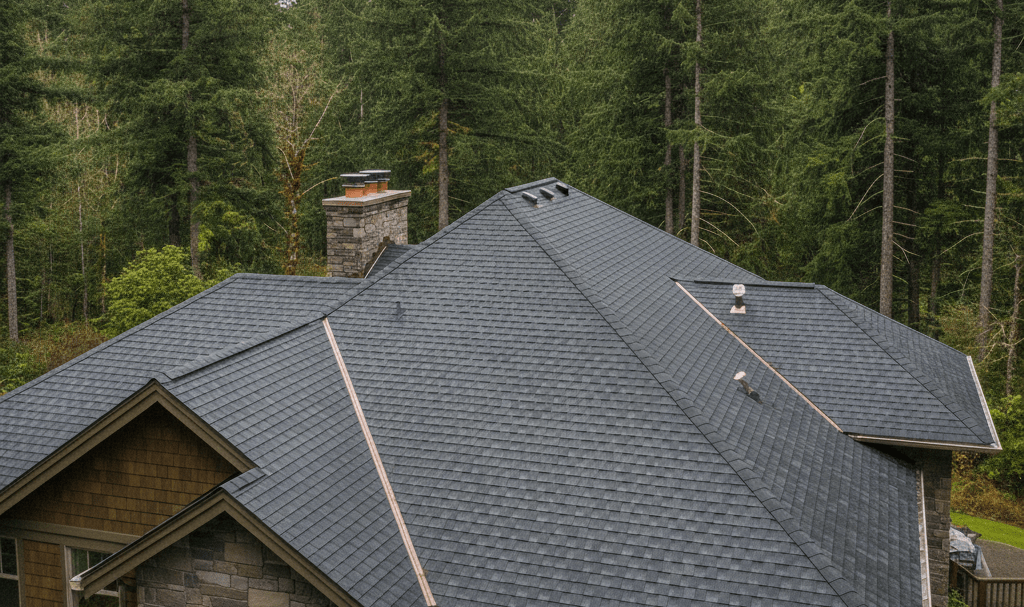
If you have lived in Oregon for more than a year, you already understand one thing. The weather rarely stays predictable for long.
Weeks of steady rain give way to damp mornings with lingering fog. Sudden windstorms sweep through the valley. Warm, dry summers eventually transition into heavy fall moisture. Through every season, your roof absorbs it all.
At Danforth Construction, we regularly meet homeowners who are surprised by how much Oregon weather influences roofing materials. A system that performs well in a dry climate may struggle in our moisture heavy environment. Choosing the right system for Oregon Roofing is not just about appearance or upfront cost. It is about long term durability under local conditions, proper installation, and compliance with county inspection standards.
Let’s walk through how weather impacts roofing materials and what homeowners should know before installing or replacing a roof.
What Is The Best Roofing Material For Oregon?
The best roofing material for Oregon depends on your home’s structure, slope, exposure to tree coverage, and overall budget. However, durability in wet conditions remains the top priority for Oregon Roofing.
Architectural asphalt shingles are widely used because they offer improved moisture resistance compared to older three tab options. They provide layered thickness that helps withstand rain and wind exposure. Metal roofing systems are also popular in Oregon Roofing projects because they shed water efficiently and resist moss growth when properly installed. Certain composite and synthetic materials are engineered specifically to handle damp climates.
According to the National Association of Home Builders, asphalt shingles typically last around 20 to 30 years under normal conditions, while metal roofs may last 40 years or longer when installed and maintained properly.
For Oregon Roofing, the material itself is only part of the equation. Ventilation systems, underlayment quality, flashing installation, and proper sealing techniques directly impact performance. Without adequate airflow, moisture becomes trapped beneath shingles, accelerating deterioration.
At Danforth Construction, we evaluate slope, sun exposure, attic ventilation, and drainage patterns before recommending Oregon Roofing materials. Our team completes extensive training to ensure every system we install meets manufacturer guidelines and passes county inspections with confidence. Professional installation is what allows quality materials to perform as designed.
Oregon’s Moisture Factor
Oregon is known for its rain, but what many homeowners underestimate is how long roofs remain damp between rain events. Shaded slopes, especially on the north side of homes, may not fully dry before the next round of moisture arrives.
This constant dampness creates ideal conditions for moss growth. Moss does not simply sit on the surface. It can lift shingles, creating small openings where water gradually penetrates beneath the protective layer. Over time, that moisture affects underlayment and decking.
We recently worked with a homeowner in Eugene who selected standard shingles without considering heavy tree coverage above the roofline. Within a few years, moss had begun lifting sections along shaded areas. The problem was not dramatic at first, but it was progressing quietly.
Oregon Roofing materials must match environmental exposure. Higher quality architectural shingles and properly installed metal systems often perform better in long term damp conditions. However, material choice alone does not guarantee success. Installation precision and proper ventilation are critical.
At Danforth Construction, we emphasize professional standards in every Oregon Roofing project. Our crews are trained to align fastening patterns, flashing placement, and moisture barriers precisely according to code. Passing inspections with flying colors is not an afterthought. It is part of our structured process.
How Long Do Roofs Last In Oregon?
Roof lifespan in Oregon varies based on material, installation quality, and maintenance consistency. Asphalt shingle roofs often last between 20 and 30 years under ideal conditions. However, heavy moisture exposure and moss accumulation may shorten that range if inspections and maintenance are neglected.
Metal Oregon Roofing systems frequently exceed 40 years of service when installed properly. Tile and slate systems may last even longer, though they require structural support and careful installation techniques.
Oregon Roofing exposed to constant dampness may show surface wear earlier than roofs in drier climates. That does not mean replacement is immediate. It means proactive inspection becomes more important.
Regular roof inspection Oregon services help extend lifespan by identifying minor vulnerabilities before they expand. Flashing separation, granule loss, or ventilation imbalance can often be corrected early.
At Danforth Construction, our inspection process evaluates both visible surfaces and structural components. Our training ensures that decking stability, underlayment integrity, and airflow systems are assessed thoroughly. A properly installed and maintained Oregon Roofing system can perform reliably for decades.
What Is The Best Weather For Roof Installation?
The best weather for roof installation in Oregon is dry, mild, and stable. Late spring through early fall typically provides favorable conditions for Oregon Roofing projects.
Moderate temperatures allow shingles to seal properly without extreme heat softening materials or cold temperatures affecting adhesion. Dry weather ensures underlayment and decking remain moisture free during installation.
Heavy rain, freezing conditions, or strong winds can delay projects or complicate material handling. Scheduling Oregon Roofing installation during predictable weather reduces risk and improves overall performance.
At Danforth Construction, we monitor forecasts closely before scheduling Oregon Roofing projects. Proper timing protects both materials and workmanship quality. Installation is not simply about laying shingles. It is about creating a sealed, ventilated system that meets structural and inspection standards.
Our professional approach includes detailed planning, crew coordination, and compliance with local codes. Extensive training ensures each installation step is completed correctly so your roof performs under Oregon’s changing conditions.
What Type Of Roofing Material Would Most Likely Be Damaged If Walked On?
Certain roofing materials are more sensitive to foot traffic than others. Clay and concrete tiles can crack if stepped on improperly. Slate roofing can fracture under concentrated weight. Even asphalt shingles, particularly during warm weather, can lose granules or become damaged when walked on excessively.
Oregon Roofing systems often require periodic maintenance, but walking on a roof without proper technique and safety equipment can cause more harm than good. Improper weight distribution may compromise shingle adhesion or flashing seals.
Professional roofing contractor Oregon teams are trained to access roofs safely while minimizing impact. At Danforth Construction, our crews follow structured safety protocols and manufacturer guidelines when inspecting or servicing Oregon Roofing systems. Our training ensures that maintenance work does not inadvertently shorten lifespan.
The Importance Of Choosing Materials Wisely
Oregon weather is not defined by extreme heat, but it is relentless in moisture exposure. Oregon Roofing systems must resist water infiltration, moss growth, and long term dampness year after year.
Choosing materials without considering climate can significantly reduce lifespan. Selecting the lowest cost option without evaluating performance in wet conditions often leads to earlier repairs or premature replacement.
Homeowners frequently request multiple quotes for roof replacement Oregon projects to compare materials, warranties, and installation standards. Transparency matters. So does professionalism.
At Danforth Construction, we provide clear recommendations tailored to your specific property. Our Oregon Roofing solutions are based on slope analysis, ventilation requirements, and long term performance expectations. Our crews complete rigorous training to ensure installations meet inspection standards and manufacturer requirements consistently.
The right Oregon Roofing material is not simply about aesthetics. It is about durability, compliance, and structural integrity in a moisture heavy environment.
Final Thought
Oregon weather impacts roofing materials in ways that are not always immediately visible. Persistent moisture, limited sun exposure, and seasonal temperature changes influence how long a roof lasts and how well it performs.
Selecting durable materials, ensuring proper ventilation, and scheduling routine inspections are essential components of long lasting Oregon Roofing systems. Professional installation backed by training and inspection compliance ensures those materials function as intended.
At Danforth Construction, we help homeowners navigate Oregon Roofing decisions with clarity and confidence. Our structured process, extensive training, and commitment to meeting county standards ensure your roof is built to perform under Oregon’s climate conditions.
If you are considering new Oregon Roofing materials or want to evaluate your current roof’s performance, contact us today. Visit https://www.danforthconstruction.com/ to schedule a consultation and protect your home with a roof designed for Oregon weather.