
Many homeowners researching roof replacement eventually ask whether they can install metal roofing directly over existing shingles. In many situations, the answer is yes, but only when the roof structure is in good condition and the installation is carefully planned. For homeowners exploring Oregon roofing solutions, metal roofing over shingles can sometimes reduce labor costs, shorten timelines, and minimize tear-off debris.
However, Oregon roofing projects require careful attention to moisture control, ventilation, and structural integrity because Oregon weather regularly exposes roofing systems to rain, humidity, moss growth, and seasonal temperature changes. Understanding when overlay installation works and when it does not helps homeowners make more informed roofing decisions before starting a major project.
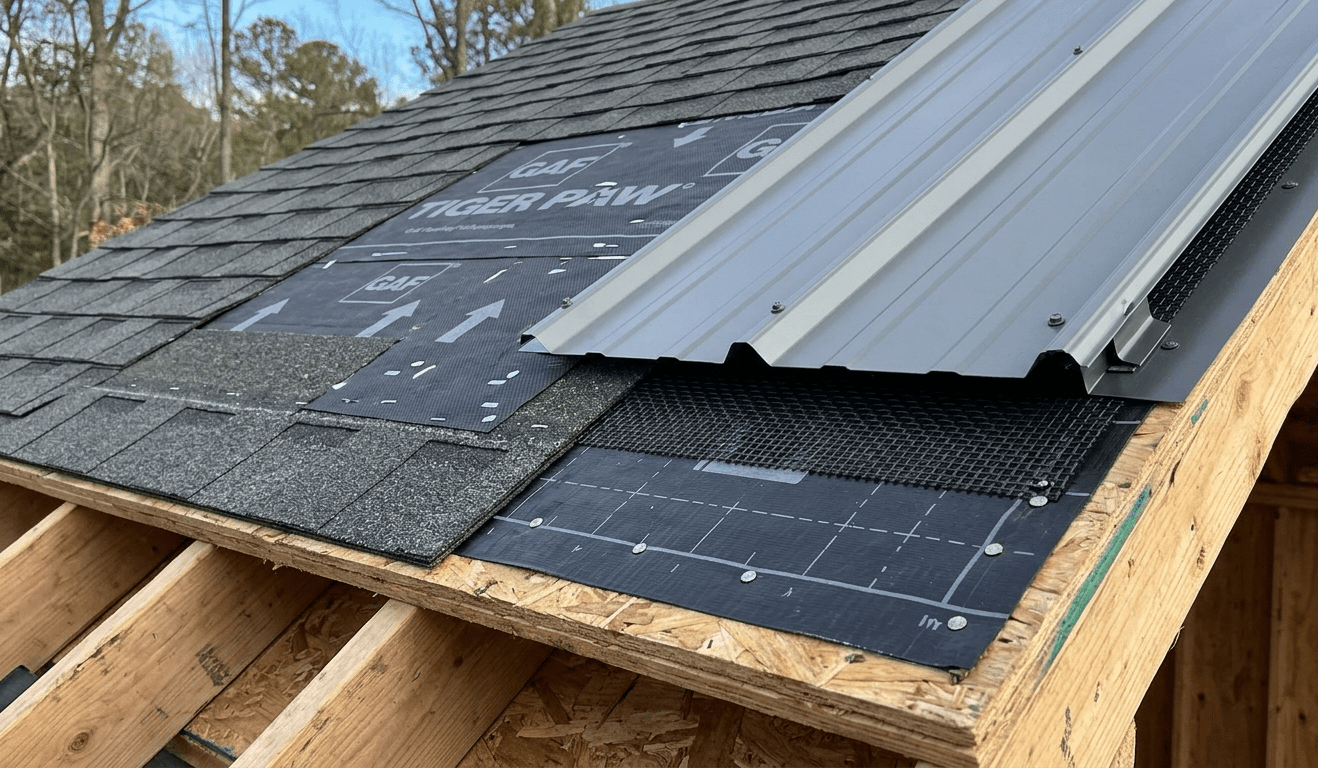
Can I Put A Metal Roof Directly Over Shingles?
Yes, homeowners can often install a metal roof directly over existing shingles, but several important conditions must be evaluated first. The existing roof structure must remain solid, moisture damage must be absent, and local building codes must allow the installation method. Many Oregon roofing professionals begin by carefully inspecting the roof deck and ventilation system before recommending an overlay installation, as hidden structural problems can create major issues later.
Roof inspections are especially important in Oregon roofing projects due to the region’s wet climate. Moisture trapped beneath older shingles can weaken decking materials over time, even if damage is not immediately visible from the surface. One homeowner initially hoped to avoid a full tear-off to reduce costs, but inspection revealed soft decking caused by long-term moisture exposure beneath the shingles. In that case, repairs were necessary before any metal roofing system could be installed safely.
When conditions are appropriate, installing metal roofing over shingles can offer several benefits. Homeowners often appreciate reduced labor costs, shorter installation timelines, less construction debris, and improved long-term durability. Many Oregon roofing customers also like the idea of minimizing landfill waste by avoiding unnecessary tear-offs. However, overlay systems only perform well when moisture management and ventilation are handled correctly from the start.
According to the U.S. Department of Energy, properly installed metal roofing systems can improve energy efficiency by reflecting solar heat and helping reduce cooling demands. Oregon roofing homeowners researching long-term value often consider energy efficiency alongside durability and lifespan when comparing roofing systems.
What Do You Put Between Shingles And Metal Roofing?
When installing metal roofing over shingles, contractors usually place protective underlayment or moisture barriers between the old shingles and the new metal roofing system. This layer serves several important functions that directly affect long-term roof performance. In Oregon roofing projects in particular, underlayment becomes critical because roofs face constant exposure to rain, moisture retention, and humidity throughout much of the year.
Protective layers help reduce moisture buildup, improve waterproofing, minimize condensation risks, and create smoother installation surfaces for metal panels. Common materials include synthetic underlayment, waterproof membranes, felt underlayment, slip sheets, and occasionally battens or furring strips, depending on the roofing system. Oregon roofing contractors often recommend higher-quality underlayment systems because moisture management plays such a major role in roof longevity throughout the region.
Some homeowners assume metal panels can simply be screwed directly over existing shingles, but proper preparation matters far more than many people realize. Without adequate ventilation and moisture control, condensation can become trapped beneath the metal roof, eventually causing mold, rot, or hidden structural deterioration. One Oregon roofing customer originally planned a simplified installation approach before learning how important underlayment and airflow design were for long-term roof protection.
Certain roofing systems also use battens or furring strips to create airflow gaps beneath the metal panels. While not every roof requires them, these systems can improve drainage and ventilation performance in wet climates. Oregon roofing installations often benefit from increased airflow, as reducing trapped moisture helps extend the lifespan of both the metal roofing system and the underlying structure.
Can You Put A Metal Roof Over Shingles Without Furring Strips?
Yes, some metal roofing systems can be installed over shingles without furring strips, but the correct approach depends on the roof condition, ventilation requirements, manufacturer guidelines, and the type of metal roofing system being installed. Many Oregon roofing contractors evaluate each roof individually rather than applying one universal installation method to every project.
Furring strips serve several useful purposes in roofing systems. They can create ventilation space beneath the metal roof, provide flatter installation surfaces, reduce condensation risks, and improve airflow performance. In Oregon roofing projects, ventilation is especially important because roofs are regularly exposed to moisture from rain and humidity. Additional airflow can help reduce long-term moisture-related issues beneath the roofing system.
However, not every metal roofing product requires battens or furring strips. Some standing seam systems and specialized metal panels are designed specifically for direct installation over approved underlayment systems. A homeowner in Oregon wanted to simplify installation while maintaining durability. After inspection confirmed the roof decking remained flat and structurally sound, direct installation over premium underlayment became a safe and effective solution for the project.
Skipping battens is not always the best choice, though. Every roofing system must carefully balance ventilation, moisture control, roof condition, and manufacturer recommendations. Oregon roofing systems exposed to heavy rainfall and moisture often benefit from installation methods that maximize airflow and drainage beneath the metal roof panels. Long-term performance depends far more on proper system design than simply choosing the fastest installation approach.
How To Install A Metal Roof Going From Shingle To Metal?
Transitioning from shingles to metal roofing involves much more than attaching metal panels over an old roof. Proper installation requires structural evaluation, moisture management planning, ventilation assessment, underlayment preparation, flashing installation, and careful panel alignment. Oregon roofing projects especially demand precision because moisture intrusion can create expensive problems if installation details are overlooked.
The installation process usually begins with a complete roof inspection to evaluate decking condition, ventilation quality, drainage patterns, and existing moisture damage. Damaged roof sections must be repaired before installation proceeds. Contractors then install protective underlayment or battens, depending on the roofing system design. Flashing around chimneys, valleys, skylights, vents, and roof edges is installed carefully to provide reliable waterproofing throughout the roofing system.
Panel alignment also matters tremendously during installation. Misaligned metal panels may affect drainage performance, fastening integrity, and long-term durability. One Oregon roofing homeowner initially considered installing metal roofing independently after watching online tutorials, but later realized how complex flashing and moisture management details actually were. Professional installation ultimately provided greater confidence that the roof system would perform correctly for decades.
Poor installation can lead to leaks, condensation issues, premature corrosion, fastener failures, and reduced wind resistance. A properly installed metal roof functions as a complete moisture-control system rather than simply a decorative layer placed over shingles. Oregon roofing contractors with experience in local weather conditions understand how critical installation quality becomes for protecting homes against long-term moisture exposure. You might also find Exterior Home Upgrades That Increase Property Value With A General Contractor helpful.
How Long Does A Metal Roof Over Shingles Last?
A properly installed metal roof over shingles can often last between 40 and 70 years, depending on material quality, ventilation, installation methods, maintenance habits, and environmental conditions. Longevity is one of the primary reasons many homeowners researching Oregon roofing options choose metal roofing systems over traditional asphalt shingles.
Several factors influence roof lifespan. Metal type, panel thickness, protective coatings, drainage performance, roof slope, weather exposure, and installation quality all affect durability over time. Oregon roofing systems regularly face heavy rain, humidity, moss growth, and seasonal weather changes, making moisture management especially important for maintaining long-term performance. Even premium materials can underperform if ventilation and drainage are not handled properly.
One homeowner upgraded to standing-seam metal roofing after repeated moss problems and moisture-related repairs had damaged their older asphalt shingles. Years later, the roof continues performing well despite ongoing exposure to Oregon’s wet climate. Oregon homeowners often appreciate the reduced maintenance demands of quality metal roofing systems compared to aging shingle roofs.
Regular inspections still remain important because flashing systems, fasteners, and sealants may age over time. Overlay installations only perform well long term if the underlying roof structure remains healthy. Installing metal roofing over damaged decking or moisture-compromised shingles can significantly shorten the roof’s lifespan, even if the metal panels themselves remain durable.
What Are The Disadvantages Of A Metal Roof Over Shingles?
While installing metal roofing over shingles offers advantages, homeowners should also understand the potential disadvantages before moving forward. One of the biggest concerns in Oregon roofing projects involves hidden moisture issues beneath the existing shingles. If moisture damage already exists in the roof structure, installing an overlay can conceal problems rather than properly resolve them.
Additional roof weight can also be a concern, depending on the number of existing shingle layers and the home’s structural condition. Oregon roofing contractors often recommend full tear-offs when multiple shingle layers are already in place because the added weight can place additional stress on the structure. Uneven roof surfaces may also affect installation quality and long-term panel performance if underlying materials are deteriorating.
Ventilation becomes another major factor. Poor airflow beneath a metal roof can contribute to condensation buildup, moisture retention, and hidden structural deterioration over time. A homeowner in Oregon previously installed metal roofing over aging shingles without correcting ventilation deficiencies. Years later, trapped moisture caused hidden damage beneath the roof system, requiring expensive repairs.
Overlay installation should never be viewed simply as the cheapest shortcut. Successful metal roofing systems require solid decking, proper ventilation, effective moisture control, and compliance with manufacturer specifications. Oregon roofing performance depends far more on careful planning and installation quality than on reducing labor costs alone.
How Many Layers Of Shingles Can You Put A Metal Roof Over?
Most building codes allow metal roofing over one existing layer of shingles, although regulations vary depending on location and roof condition. Many Oregon roofing contractors avoid installing metal roofs over multiple shingle layers because excessive weight, uneven surfaces, and hidden moisture risks can compromise long-term performance and structural reliability.
Multiple existing shingle layers may create drainage problems, increase structural stress, and make effective ventilation more difficult. One Oregon homeowner already had two aging layers of shingles installed before exploring metal roofing options. In that situation, a complete tear-off provided the safer and more durable long-term solution because underlying roof conditions could not be properly evaluated otherwise.
Code compliance also matters significantly. Local building requirements may restrict overlay installations depending on material weight, structural capacity, and existing roof conditions. Oregon roofing professionals typically recommend inspections before installation so homeowners fully understand whether overlay installation or complete removal offers better long-term protection for the home.
Professional inspections help homeowners avoid future surprises by identifying hidden structural issues before installation begins. Oregon roofing systems already face enough environmental stress, so starting with a stable, properly evaluated roof structure remains critical for long-term performance and durability.
Why Oregon Homeowners Consider Metal Roofing Over Shingles
Oregon weather places unique demands on residential roofing systems. Constant rainfall, moisture exposure, moss growth, and changing seasonal conditions create challenges that homeowners in drier climates may not experience. Because of this, many Oregon roofing homeowners explore metal roofing systems designed for improved durability and longer lifespan.
Many homeowners consider overlay installations to reduce labor costs, avoid the tear-off mess, minimize project disruption, and improve long-term roof durability. Metal roofing also appeals to homeowners seeking lower maintenance requirements and stronger resistance against moisture-related damage. Oregon roofing customers often compare long-term value rather than focusing only on installation pricing.
Still, successful overlay installations depend heavily on proper planning. Moisture management, ventilation design, structural integrity, and installation quality all determine how well the roofing system performs over time. Oregon roofing projects require careful attention to local weather conditions because long-term durability matters far more than temporary cost savings.
Final Thoughts
Installing metal roofing over shingles can absolutely work when the roof structure is sound, and the system is designed correctly. Proper underlayment, ventilation, moisture management, and installation quality all play major roles in determining long-term roof performance. Homeowners researching Oregon roofing options should understand that successful overlay installations involve far more than simply attaching metal panels over old shingles.
As we help homeowners navigate Oregon roofing decisions, we focus on honest guidance and long-term protection rather than one-size-fits-all recommendations. Every roof has different structural conditions, moisture concerns, and performance goals, which is why careful inspections and planning matter so much before installation begins.
If you are considering metal roofing over shingles or exploring Oregon roofing solutions for your home, we encourage you to review your options carefully. At Danforth Construction, we help homeowners understand the advantages, limitations, and installation requirements of modern roofing systems so they can make confident long-term decisions. Reach out today to schedule a consultation and learn more about your roofing options.