
Most homeowners do not think about their roof until something goes wrong. A small water stain appears on the ceiling. A windstorm scatters shingles across the yard. A neighbor casually mentions they just replaced theirs, and suddenly you start wondering how old yours is and whether your home is next.
Your roof is one of the most important protective systems on your property, yet it is often the most overlooked. In our region, Oregon Roofing faces steady rainfall, moisture buildup, moss growth, wind exposure, and seasonal temperature changes. Roof longevity here depends on far more than the number of years since installation.
At Danforth Construction, we regularly speak with homeowners who are unsure whether their roof is nearing the end of its lifespan or still has reliable years ahead. Understanding how long Oregon Roofing systems typically last, what affects their durability, and when replacement makes sense can help you avoid costly surprises and unnecessary stress.
Let’s walk through what every Oregon homeowner should understand about roof lifespan.
What’s The Typical Lifespan Of A Roof?
The lifespan of a roof depends on material selection, installation quality, ventilation design, maintenance history, and environmental exposure. In Oregon Roofing systems, moisture control is one of the most important factors influencing longevity.
Standard asphalt shingles are commonly designed to last around 20 to 30 years under normal conditions. Architectural shingles often extend beyond 30 years when properly installed. Metal roofing systems may perform for 40 to 70 years, while tile and slate systems can last even longer if supported by sound structural framing. However, climate significantly affects these general estimates. According to the National Association of Home Builders, asphalt shingle roofs are often designed for about 20 years of service life, though maintenance and environmental exposure heavily influence real world performance.
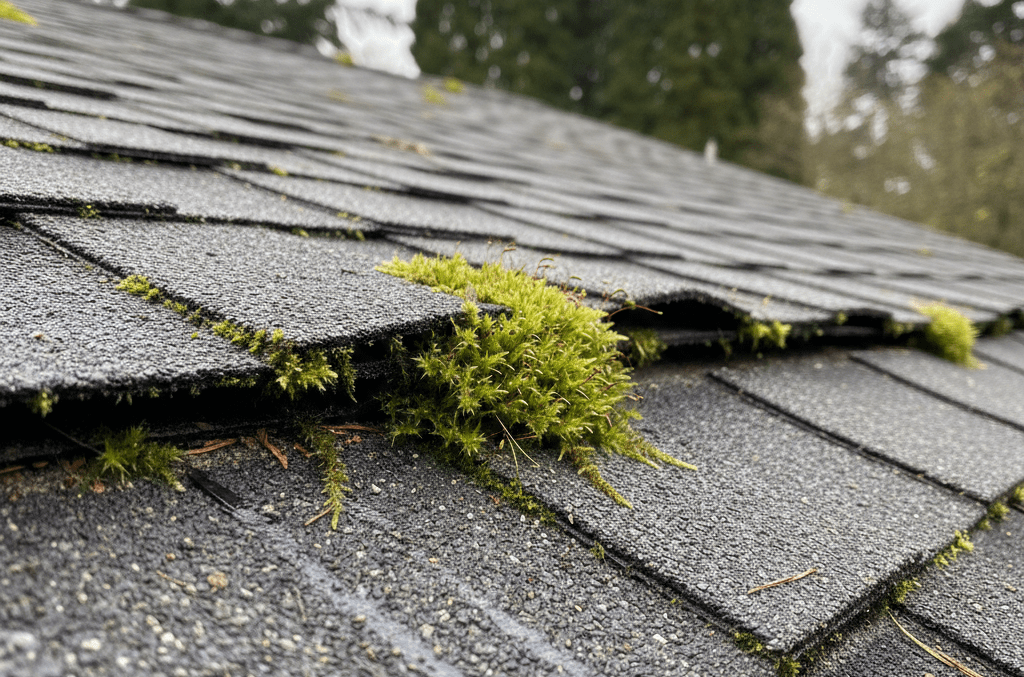
For Oregon Roofing specifically, prolonged dampness can accelerate shingle deterioration and underlayment wear if drainage and attic ventilation are not functioning correctly. Moss accumulation can trap moisture against the surface. Repeated freeze and thaw cycles in some parts of the state can also stress roofing materials over time.
At Danforth Construction, we evaluate Oregon Roofing systems by examining not only the visible surface but also the supporting components beneath. Age is only one part of the equation. The overall integrity of the roofing system determines its remaining lifespan.
Our team undergoes extensive training to ensure every Oregon Roofing project meets manufacturer specifications and local building standards. Proper fastening techniques, flashing installation, and ventilation alignment are not optional details. They are essential for passing county inspections with confidence and ensuring long term durability.
Why Oregon Roofs Face Unique Challenges
Oregon weather is beautiful, but it places continuous demands on roofing systems. Extended rainy seasons create consistent moisture exposure. Shaded roof sections encourage moss growth. Temperature swings between wet winters and warmer summers create expansion and contraction stress.
We recently inspected an Oregon Roofing system that was just over 20 years old. From the street, it appeared structurally sound. Up close, moss had begun lifting shingles along the north facing slope where sunlight was limited. Moisture had worked its way beneath the surface, weakening the protective barrier. The homeowner assumed the roof’s age was the only factor that mattered. In reality, environmental conditions were accelerating deterioration.
Oregon Roofing systems must be designed and maintained with these challenges in mind. Proper slope design, effective water runoff management, and adequate attic ventilation play critical roles in preventing premature failure.
At Danforth Construction, our inspections focus on how climate interacts with the structure. Two Oregon Roofing systems installed the same year can age very differently depending on sun exposure, tree coverage, and drainage performance. Local expertise matters when assessing lifespan.
Should I Replace A 20 Year Old Roof?
For many asphalt systems, the 20 year mark is when closer evaluation becomes important. However, replacing an Oregon Roofing system should never be based on age alone.
Some roofs remain structurally sound beyond 20 years if properly installed and maintained. Others show signs of deterioration earlier due to environmental exposure or installation deficiencies. Curling shingles, granule loss, recurring leaks, sagging rooflines, or heavy moss growth may indicate declining performance.
A professional Oregon Roofing contractor should evaluate flashing condition, underlayment health, decking stability, and ventilation balance before recommending replacement. At Danforth Construction, we do not automatically suggest full roof replacement simply because a roof has reached a certain age. We provide clear assessments that explain whether targeted repairs can extend performance safely or whether replacement offers stronger long term protection.
Our crews are trained extensively in proper installation techniques and building code compliance. Every Oregon Roofing project we complete is designed to meet inspection standards and manufacturer warranty requirements. Doing the work correctly ensures the roof performs as intended and reduces the risk of premature failure.
How To Know If A Roof Is In Good Condition?
Homeowners can begin by observing visible indicators from the ground. Uneven shingle patterns, dark streaking, debris buildup in valleys, or visible sagging may signal problems. Inside the home, ceiling stains, attic moisture, or musty odors may suggest water intrusion.
However, many Oregon Roofing issues are not visible without professional inspection. Flashing around chimneys and vents often deteriorates first. Underlayment wear may not become apparent until leaks develop. Ventilation imbalances can shorten roof lifespan even when the surface appears intact.
At Danforth Construction, our Oregon Roofing inspection process is systematic and thorough. We assess shingle integrity, flashing condition, drainage performance, and attic airflow. Our team receives ongoing training to ensure inspections follow consistent professional standards. This attention to detail allows us to identify early warning signs before structural damage occurs.
Healthy Oregon Roofing systems demonstrate uniform shingle placement, intact flashing seals, effective water runoff, and balanced ventilation. When properly maintained, they protect homes reliably for decades.
The Cost Of Waiting Too Long
Delaying necessary Oregon Roofing replacement can lead to escalating problems. Moisture intrusion can damage insulation, drywall, framing, and electrical components. What begins as a small leak can evolve into widespread structural repair.
Proactive planning reduces stress and prevents emergency expenses. Many homeowners seek multiple estimates before committing to a roofing project. Comparing material options, warranty terms, and installation practices helps clarify long term value.
At Danforth Construction, we prioritize transparency in every Oregon Roofing conversation. We explain lifespan expectations, material differences, and inspection findings clearly so homeowners can make informed decisions. Our professional training ensures each installation meets structural standards and passes county inspections without complication.
Oregon Roofing systems protect your largest investment. Choosing a contractor with proven experience and professional standards makes a measurable difference in performance and durability.
Final Thought
Roof lifespan depends on material quality, environmental exposure, installation precision, and ongoing maintenance. In Oregon, moisture management plays a central role in determining how long Oregon Roofing systems perform effectively.
Understanding warning signs and scheduling routine professional inspections protects both your home and your financial investment. Waiting until visible damage appears often increases overall repair costs.
At Danforth Construction, we believe homeowners deserve clear guidance about the true condition of their Oregon Roofing system. Our training, inspection protocols, and commitment to high quality workmanship ensure roofs are installed and evaluated correctly from the start.
If you are unsure about your roof’s remaining lifespan or want a professional evaluation, contact us today. Visit https://www.danforthconstruction.com/ to schedule your Oregon Roofing inspection and protect your home with confidence.